
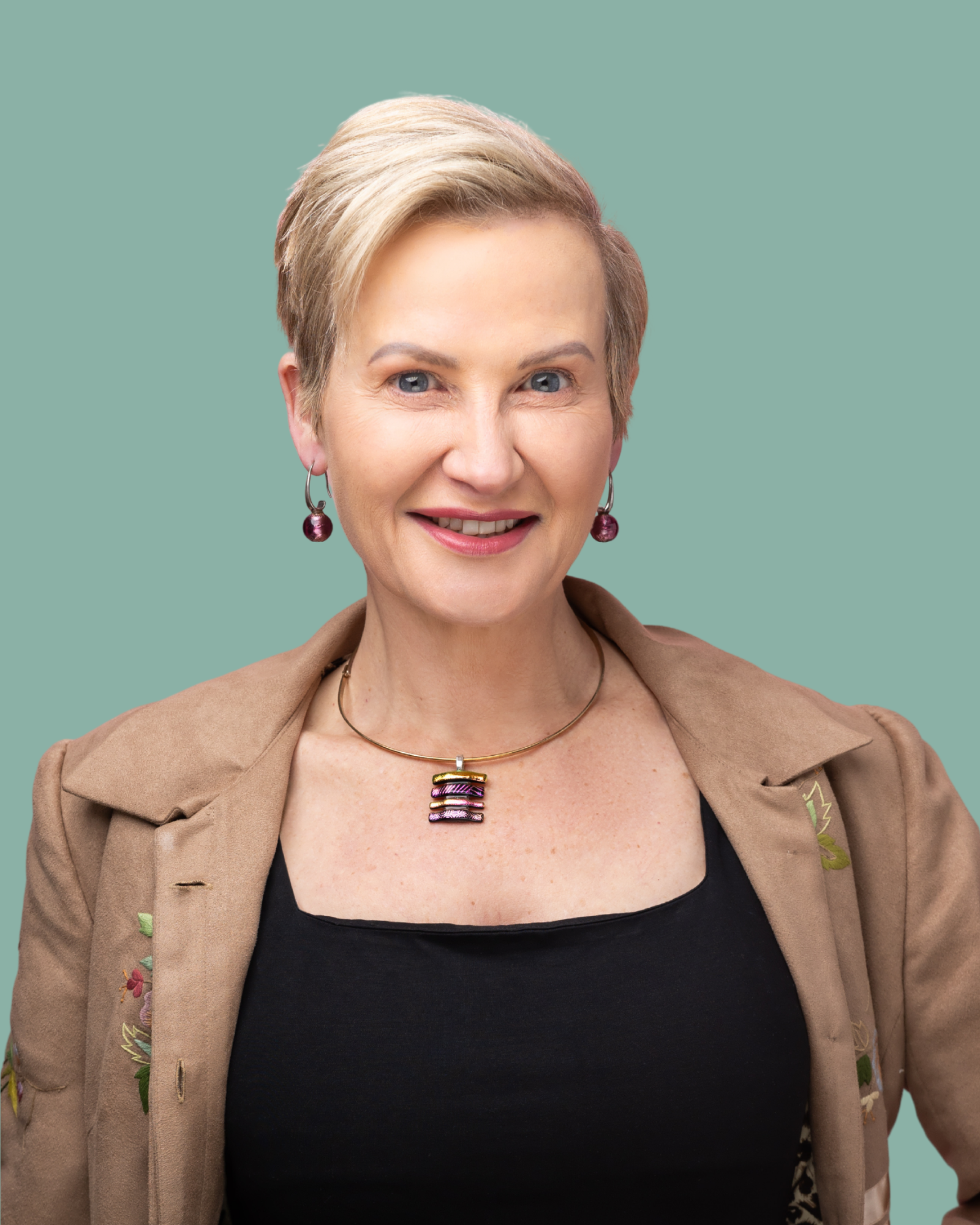
Meet Ngahina Richards
I’m Ngahina Richards, founder of Nriched Living, author, speaker and Environment Behaviour Consultant.
My work explores something that affects all of us every day, often without us noticing: how our senses and the environments around us can influence how we feel, think and behave.
I bring together established research, practical experience and an understanding of individual sensory differences to help people make more informed choices about what they do and the environments they spend time in. That means understanding what supports your energy, focus and wellbeing in everyday life.
My work applies to business environments as well. It involves considering how a physical space can shape customer or client behaviour, engagement and decision making.
What if the environments around us influence more than we realise?
It was a walk in the park
My interest in our senses and surroundings started with a fairly ordinary observation.
I often walk through a nearby park because it helps me relax and think more clearly than I can in my own home. We hear that being in nature is good for us, but I wanted to understand why. Was it the fresh air, the colours, the sounds, the shapes and textures of the plants, or was it the combination of all of them? It dawned on me that these are all sensory experiences, but what was it about them that made natural environments so widely valued?
That led to a more practical question. If I could better understand what was affecting me in that park, could I bring some of those beneficial qualities into other parts of my life through what I did and the environments I spent time in?
So I started investigating.
With a background in Health Science and years working in the pharmaceutical industry, my instinct was to follow the evidence. What I hadn't expected was how widely I would have to look for it. The answers weren't sitting neatly within one field of research. I found myself exploring areas I had barely encountered before, including Environmental Psychology, and following connections across research into our senses, nature, building design and human behaviour.

Looking beyond one school of thought
Trusting evidence-based findings and validated facts was embedded in how I worked. I wanted to know what the research could tell me and was wary of filling the gaps with assumptions.
But I also had to accept that science doesn’t yet have definitive answers for everything I was exploring. Where the research couldn’t answer the questions I was asking, I broadened my search to understand what people had observed and practised long before we had the scientific tools to investigate why or how something might affect us.
I looked across cultures and moments in history for common threads in the way people have used sound, scent, light, colour, touch, movement and the natural environment. My curiosity even led me to qualify as an aromatherapy practitioner, not because I intended to practise as one, but because I wanted to better understand the active compounds in essential oils and why they have been valued in complementary health practices. I also dug into colour research and its use across cultures, looking for commonalities in how we respond to it. Like aroma, it’s not black and white (every pun intended), but it’s also not completely random.
Exploring beyond what was familiar reinforced something quite simple: humans were noticing and responding to sensory experiences long before we had experiments capable of explaining them, but that doesn’t mean we should confuse the two.

It started making sense
One thing became increasingly clear as I explored these different areas: our senses don’t affect us in isolation.
At any given moment, we’re taking in a mix of sights, sounds, smells, tastes and physical sensations. Together, they contribute to how we experience a place, an activity or even an ordinary part of our day.
Yet much of the information I was finding looked at these influences separately. I became increasingly interested in the interplay of the senses and how our different sensory experiences work together to influence us.
That became the foundation of Total Sensory Wellbeing (TSW), my way of considering how what we do and what surrounds us can support, or sometimes work against how well we feel and function.


Piecing the puzzle together
By this point, I’d spent years following questions across different fields, gradually piecing together information that changed how I thought about my own daily life.
I realised that most of us aren’t taught to think about how our everyday sensory experiences may be affecting us. Many influences simply become part of the background, whether they’re good for us or not. Yet we consciously seek out sensory experiences when we expect a benefit, such as having a massage. I believed that greater awareness could help people use this knowledge to their advantage and recognise aspects of daily life they had simply become used to, without realising they could be affecting how well they felt or functioned.
It was unrealistic to expect other people to spend years trawling through research and exploring different disciplines, so I decided to bring together what I had learned in one practical, accessible place.
That became Come to Your Senses. Writing the book consolidated much of my thinking about Total Sensory Wellbeing, but it also raised another important question. Even if we can identify sensory and environmental factors that are generally beneficial, do they work equally well for everyone?
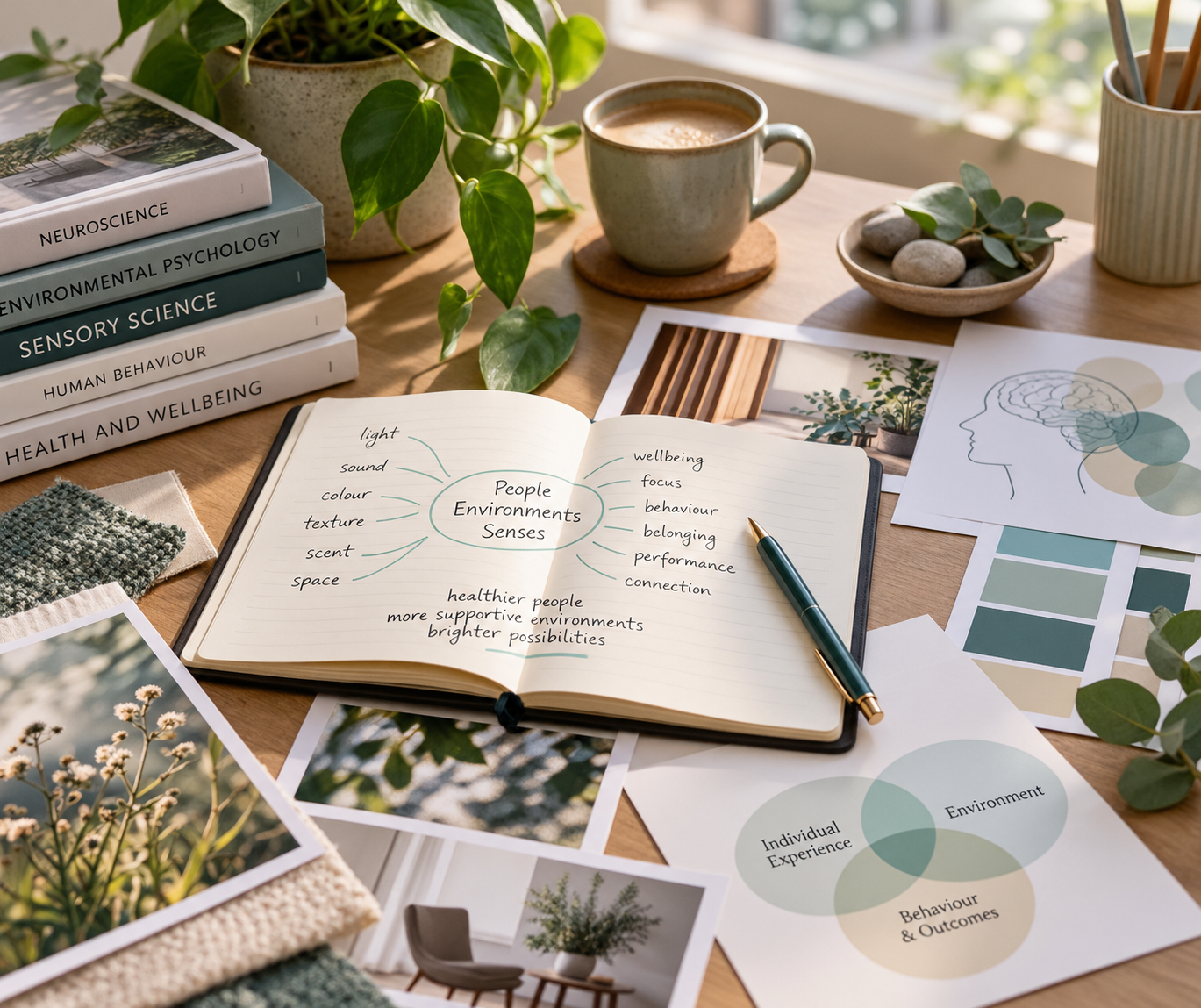
We’re not all wired the same
I became increasingly interested in why the same sensory experience can affect two people very differently. One person can concentrate happily in a busy café while another struggles to think. Someone may find background music relaxing while the person beside them finds it distracting. Neither response is necessarily right or wrong.
Learning more about individual sensory thresholds helped explain some of these differences. We vary in how readily we notice and respond to sensory input, which means something that supports one person may be neutral, distracting or uncomfortable for someone else.
This led me to train as a Sensory Intelligence® Practitioner, giving me a practical, evidence-based way to help people better understand their own sensory preferences and how these can influence everyday life.
It also added an important dimension to Total Sensory Wellbeing. Identifying generally beneficial sensory and environmental factors is useful, but applying them without considering the individual only tells part of the story. The question really is: what makes sense for you?
Rather than prescribing one ideal way to live, I want people to understand the influences that matter to their unique sensory preferences and use that knowledge in ways that suit them.
It’s also why I encourage people to ‘Live MESSY’: Move / Eat / Sleep / Sunlight / Your way.

Business Sense
The more I understood about how we respond to our surroundings and how they influence us, the more I noticed the same principles at work in business environments. In fact, right from the early days of my investigation, I kept coming across research examining these effects in commercial settings.
Businesses have long used elements such as lighting, music, colour, scent, materials and layout to shape the experience of a space. But these elements aren’t just about how a place looks or feels. They can influence what people notice, where they go, how long they stay, how comfortable they feel interacting and the decisions they make.
That brought my earlier commercial experience back into the picture. After more than twenty years working in the pharmaceutical industry, including senior leadership roles, I understood that businesses need more than an attractive environment. A commercial space has a purpose, and the environment can influence whether customers or clients behave in ways that support what the business is trying to achieve.

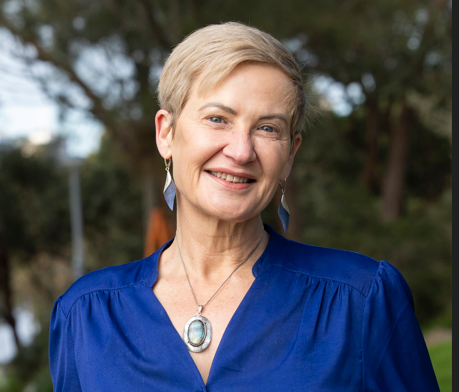
Grounded in science. Guided by insight.
I have an Associate Diploma in Health Science, more than 20 years’ corporate experience including commercial, operational and senior leadership roles, and I’m a certified Sensory Intelligence® Practitioner. I’m also the author of Come to Your Senses.
Welcome to Nriched Living
A practical approach to improving how we live, work and interact with the environments around us.
Self-guided insights and consulting tailored to how you actually live and work
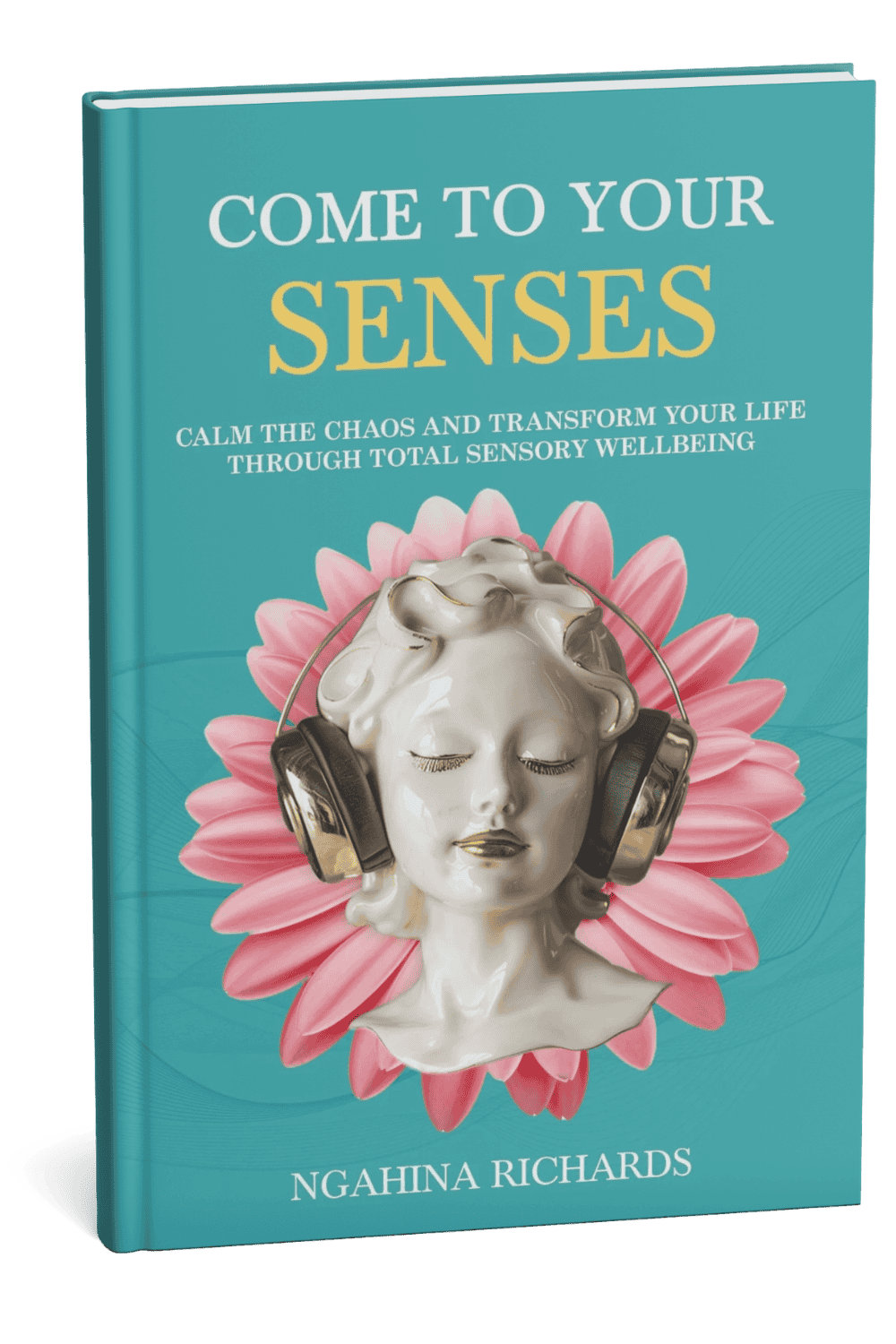
Come to Your Senses
A practical, easy to read, science-informed guide to resetting your energy, focus and wellbeing by working with your senses, not against them.
Services
Practical, evidence-informed support to help you understand how sensory experiences and environments influence behaviour, wellbeing and performance.
For Individuals
Understand your sensory preferences using the Sensory Intelligence® methodology.
Perfect for:
Professionals navigating fatigue & overwhelm
People seeking more supportive, harmonious environments as they balance home and work
Those looking for greater clarity, focus and engagement in everyday life
For Businesses
Understand how your physical environment may be influencing customer or client behaviour and business performance.
Relevant for:
When people don’t use or explore the space the way you expected
When clients or customers don’t fully settle, engage, or stay as long as you’d like