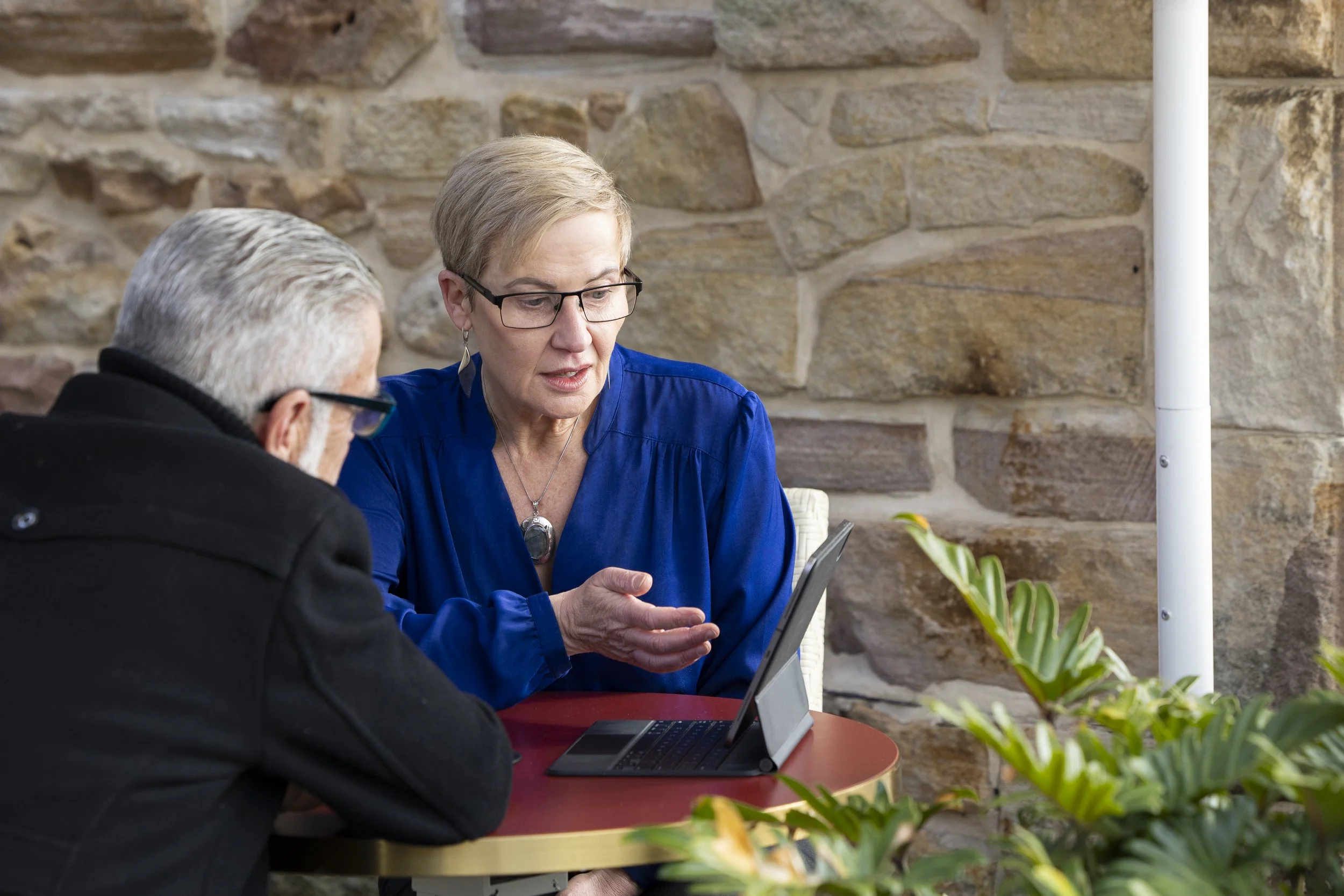
Helping Businesses Improve Customer, Client & Employee Experiences Through Their Environment.
For businesses, this offers a different way to understand how the environment can influence how people feel and behave. This can apply to customer and client environments, as well as workplaces and the people within them.
I work with businesses in two ways:
Your Business Environment
Understand how aspects of your physical environment may be influencing customer or client behaviour, engagement and experience.
Your People
Explore how sensory preferences can influence the environments, activities and interactions that work well for different people, both at work and beyond.

Your Business Environment
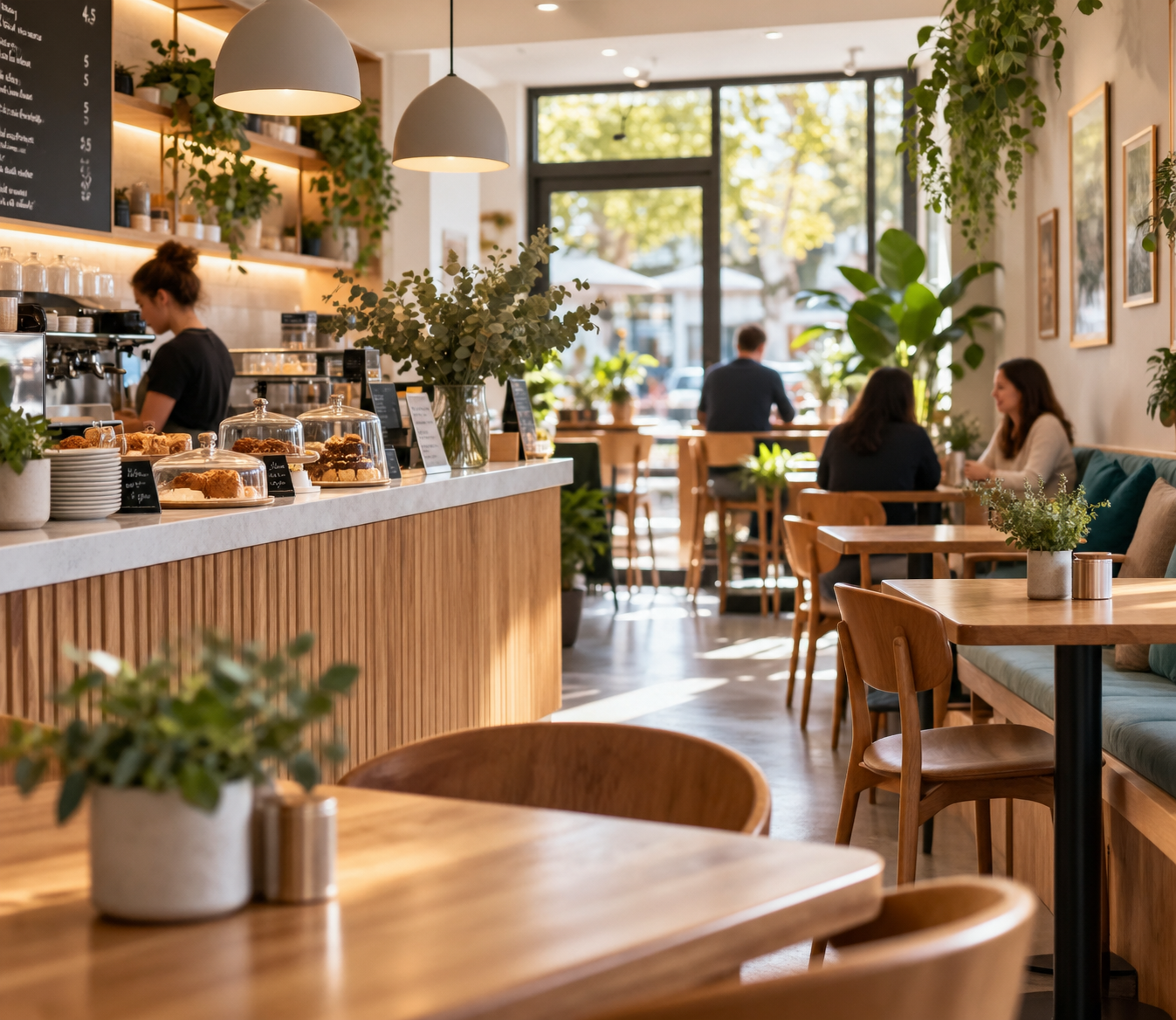
How is your space influencing the way customers and clients behave?
Every commercial space communicates something, often before a conversation even begins.
The surroundings can influence how people feel when they enter, how easily they engage, how they move through a space and even how long they choose to stay.
I work with small businesses to look at their physical space from a behavioural perspective and identify where aspects such as layout, lighting, sound and other sensory influences may be helping or hindering the experience you want to create.
This isn’t about décor or redesigning your space. It’s about understanding how people are responding to the environment you already have. I look at those responses through a sensory lens, considering how people process and respond to the world around them. This informs where targeted, practical changes could better support the way you want customers or clients to engage.
Branding and messaging may set expectations, but the environment shapes how those expectations are experienced.
Your People
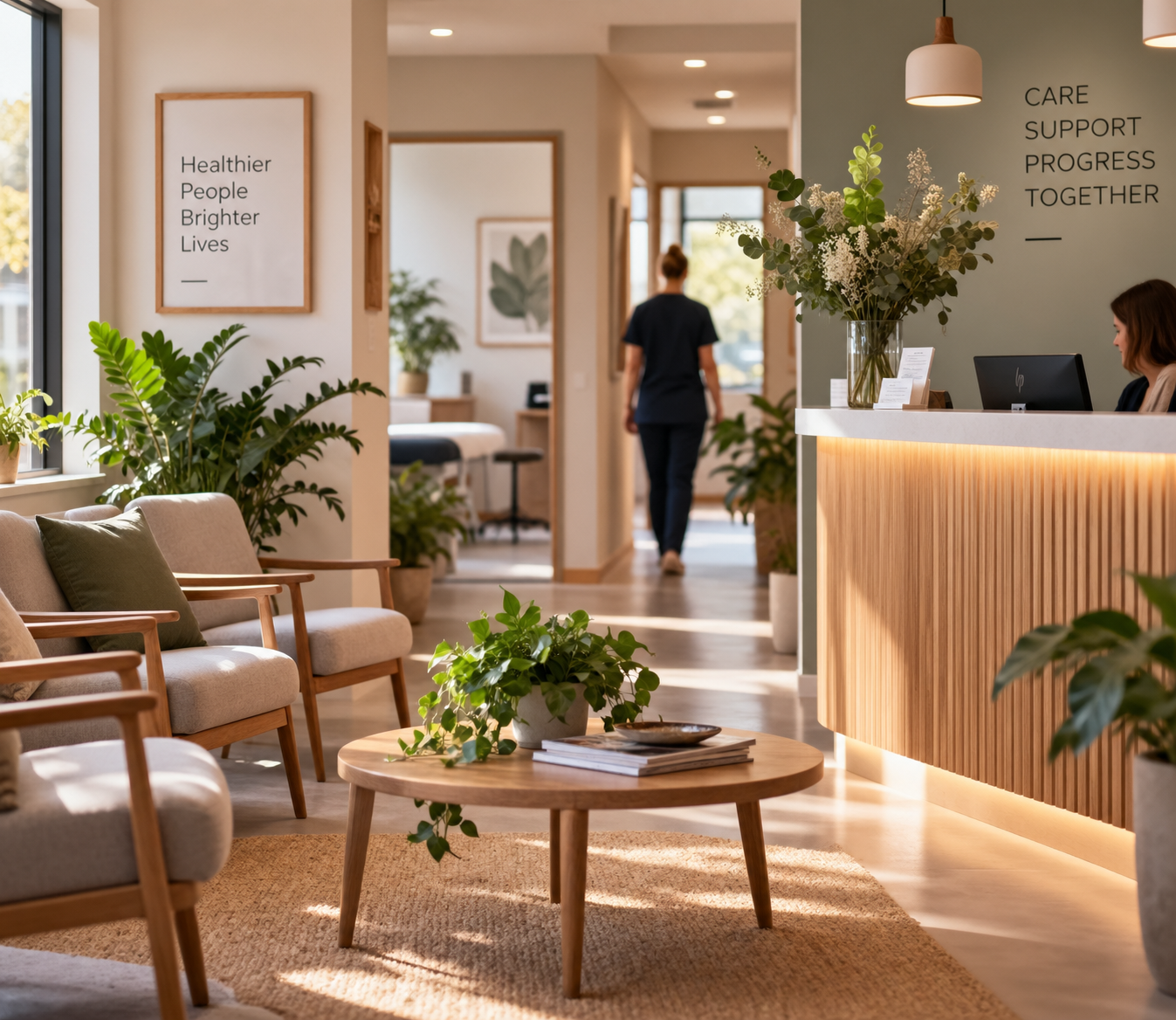
What if some of the differences we notice in ourselves and others make more sense through a sensory lens?
We all experience the world through our senses, but we don’t all notice and respond to sensory input in the same way.
Our underlying sensory preferences can influence the environments we enjoy, how we prefer to work, the activities and hobbies we’re drawn to and even what we consider a relaxing holiday.
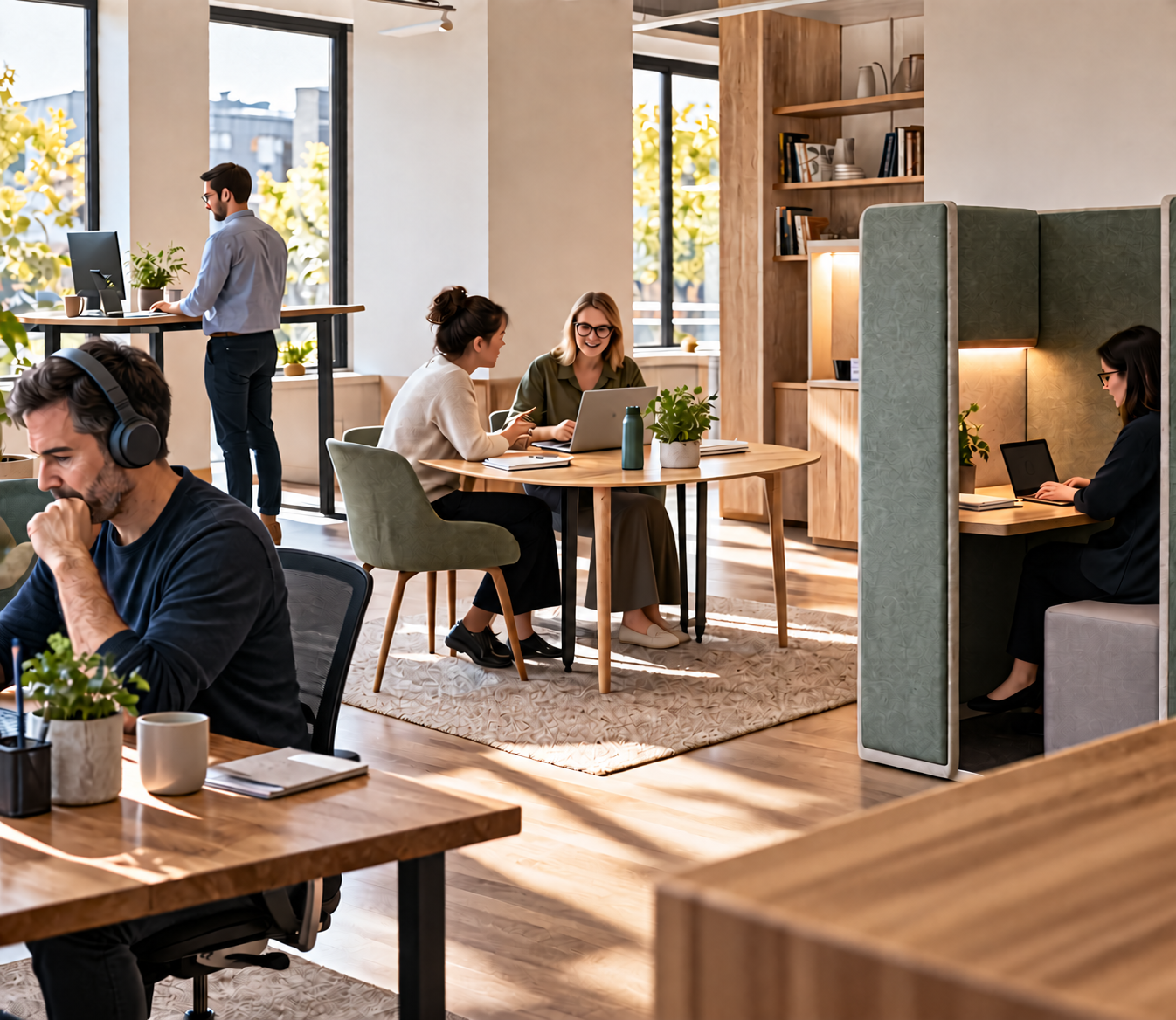
They can also influence behaviours we sometimes interpret in other ways. The colleague who closes their office door to concentrate may seem less approachable. Someone else may actively seek conversation, movement or background noise while they work. Neither response is necessarily better or worse. They may simply reflect different needs for sensory input.
Understanding these differences can bring another level of objectivity to how we understand ourselves and the people around us. It can also help individuals and organisations consider the types of environments and ways of working that may better support different people.
Our sensory preferences don’t stop when we leave work, so this understanding can be just as useful in our personal lives.
Contact me if you’d like to explore how I can support you in your business.
What this can look like in practice
The Situation
An accountant wanted to strengthen client engagement and position themselves as a long-term business partner rather than someone clients visited once a year for tax returns.
What Was Observed
Clients entered the office and refreshments were consistently declined. They retained a reserved manner and conversations rarely moved beyond immediate business needs.
What Was Identified
Three environmental factors appeared to contribute the most to this experience:
• Acoustics
• Lighting
• Visual depth
The Outcome
After implementing two of the recommended changes:
✔ Clients consistently accepted refreshments on arrival
✔ Conversations became noticeably more relaxed and open helping to strengthen the business relationship
No major office redesign was required.

Talks & Workshops
Bring a different perspective to workplace wellbeing and how we understand ourselves and others.
My talks and workshops introduce people to the role our sensory preferences can play in everyday life, including how we respond to our surroundings, the way we prefer to work and the activities and experiences we’re naturally drawn to.
Through relatable examples and practical activities, participants can begin to recognise their own preferences and consider how sensory differences may help explain some of the behaviours they notice in themselves and the people around them.
Sessions can be tailored to your organisation and range from engaging introductory talks to more interactive workshops that give participants the opportunity to explore their own sensory preferences in greater depth.
The aim is to give people a genuinely useful perspective they can apply to both their working and personal lives.

Experience that informs my approach
My approach draws on more than 20 years of corporate experience across commercial, operational and senior leadership roles, together with my background in health science and certification as a Sensory Intelligence® Practitioner.
Having worked within large organisations, I understand the realities of workplace environments and the competing demands on the people within them. My commercial experience also gives me a practical understanding of customer behaviour, business priorities and the importance of having a commercial environment that supports what a business is trying to achieve.
It’s this combination of commercial experience, behavioural insight and a sensory perspective that informs how I work with businesses and their people.